
Vietnam Workplace Health Examinations 2026: Mandatory Schedules, Decree 283 Fines, and Compliance Risks for Employers
Introduction
Periodic health examinations are often viewed as part of a company’s employee benefits policy. Under Vietnamese law, however, they are also an employer responsibility within the occupational safety and health framework.
A well-managed programme involves more than simply arranging an annual health examination. Businesses need to identify the employees who are subject to the examination requirements, apply the appropriate examination timing and scope, conduct occupational disease screening where required, and maintain sufficient supporting records and documents.
With Decree No. 283/2026/NĐ-CP taking effect on 10 September 2026, this article highlights the key requirements and practical points that businesses may wish to review.
Article Outline
I. What Should Businesses Know About Health Examinations in 2026?
II. Which Employees Are Subject to Health Examination Requirements?
III. Applicable Fines and Key Points for Businesses to Consider
PCA Note
I. What Should Businesses Know About Health Examinations in 2026?
The changes in 2026 do not create a new obligation for employers to provide health examinations for employees. Instead, this is an appropriate time for businesses to review whether their existing health examination programme remains aligned with the current requirements and penalty framework.
Businesses should focus on two key areas:
1. Review the applicable health examination requirements
Health examinations are governed by Circular No. 32/2023/TT-BYT, as amended by Circular No. 25/2026/TT-BYT, together with applicable occupational health regulations, including Circular No. 56/2025/TT-BYT on occupational disease management.
These regulations cover matters such as examination content, health records, applicable forms, pre-placement health examinations, and occupational disease screening.
A standard corporate health examination package may provide a convenient starting point. However, the final examination scope should reflect the employee’s age, gender, actual duties, and level of exposure to relevant occupational factors.
2. Update the penalty framework effective from 10 September 2026
Decree No. 283/2026/NĐ-CP takes effect on 10 September 2026 and replaces Decree No. 12/2022/NĐ-CP in the relevant area of administrative penalties.
The key legal instruments serve different purposes:
- Article 21 of the Law on Occupational Safety and Health 2015 sets out the responsibilities of employers;
- Relevant regulations of the Ministry of Health govern how health examinations and occupational disease screening are conducted; and
- Article 33 of Decree No. 283/2026/NĐ-CP provides the applicable penalties where businesses fail to organise required examinations.
Key Takeaway: The obligation itself is not new. What matters in 2026 is whether the company’s existing programme still reflects its current workforce, occupational risks, and applicable legal framework.
II. Which Employees Are Subject to Health Examination Requirements?
1. Employees covered and examination timing
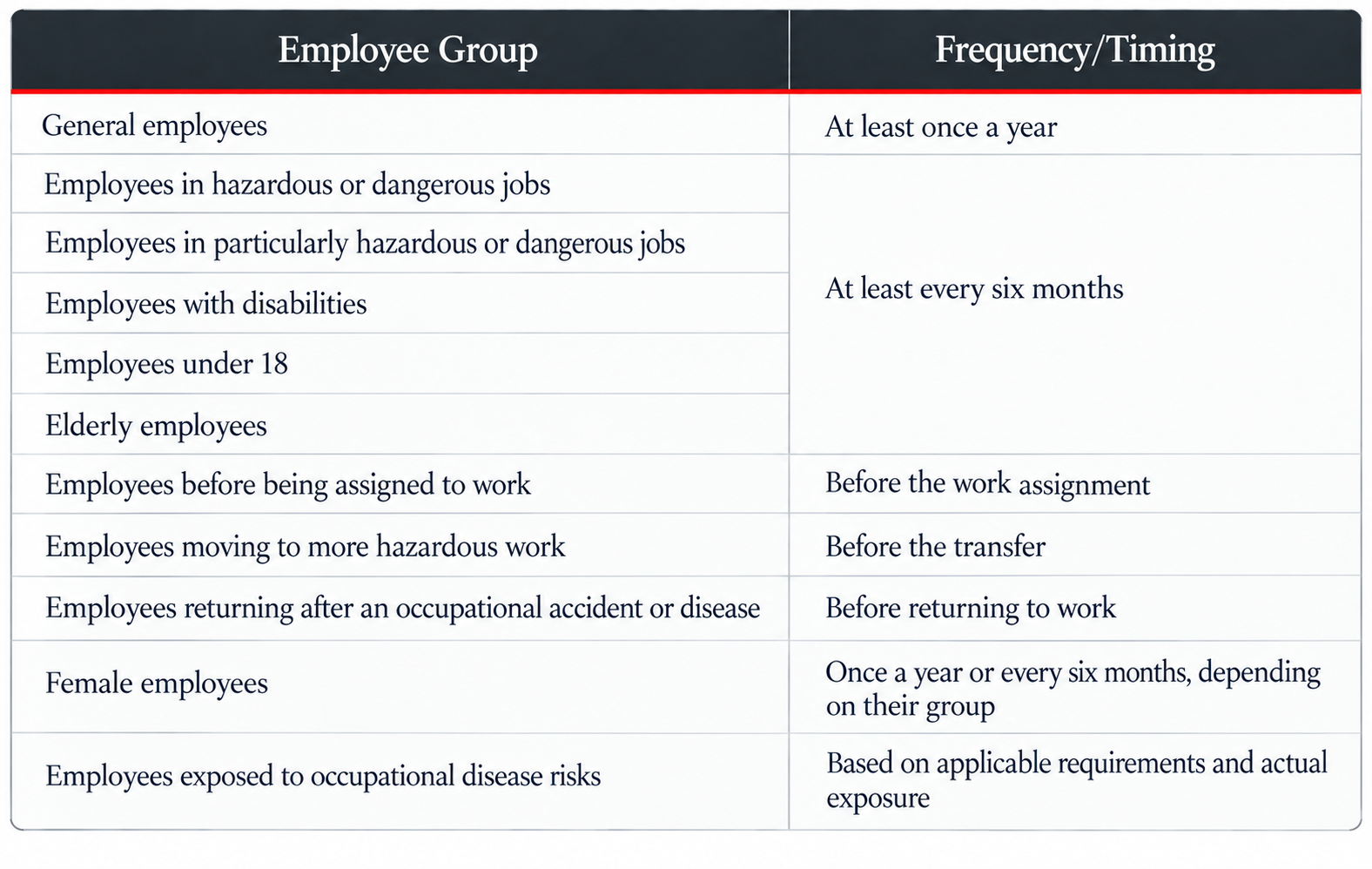
Table 1: Employee Health Examination Frequency and Timing
Businesses should distinguish between:
- Periodic examinations: conducted at least once a year or once every six months, depending on the employee group;
- Examinations triggered by changes in the specific nature of the employee’s position: conducted before an employee is assigned to a position, before being transferred to more arduous, hazardous, or dangerous work, or before returning to work after recovery from an occupational accident or occupational disease, subject to:
- (*) as applicable exceptions; and
- (*) based on the relevant official conclusion of a competent Medical Assessment Council authorised to operate by the Ministry of Health;
- Exposure-based examinations: occupational disease screening for employees exposed to relevant occupational risk factors associated with arduous, hazardous, or dangerous working conditions.
Periodic health examinations assess an employee’s general health, while occupational disease screening focuses on health risks arising from workplace exposure. Completing a periodic health examination does not, by itself, satisfy occupational disease screening requirements where separate screening is required.
2. Health examination costs
Employers are responsible for the costs of periodic health examinations and occupational disease screening. These costs may be treated as deductible expenses for corporate income tax purposes, subject to the applicable tax requirements and supporting documents.
Businesses should be cautious about replacing health examinations with a fixed allowance or requiring employees to arrange examinations themselves. Such an approach may not be sufficient to ensure that the appropriate employees are covered, the correct timing is applied, and all required examination items are included in the health examination package in accordance with the applicable guidance and regulations of the Ministry of Health.
Key Takeaway: The timing of examinations and the required examination items should reflect the employee group, actual duties, and frequency of exposure to specific arduous, hazardous, or dangerous occupational factors associated with the position within the company, rather than being applied uniformly across the entire workforce.
III. Applicable Fines and Key Points for Businesses to Consider
From 10 September 2026, businesses that fail to organise required health examinations may be subject to the following fines:
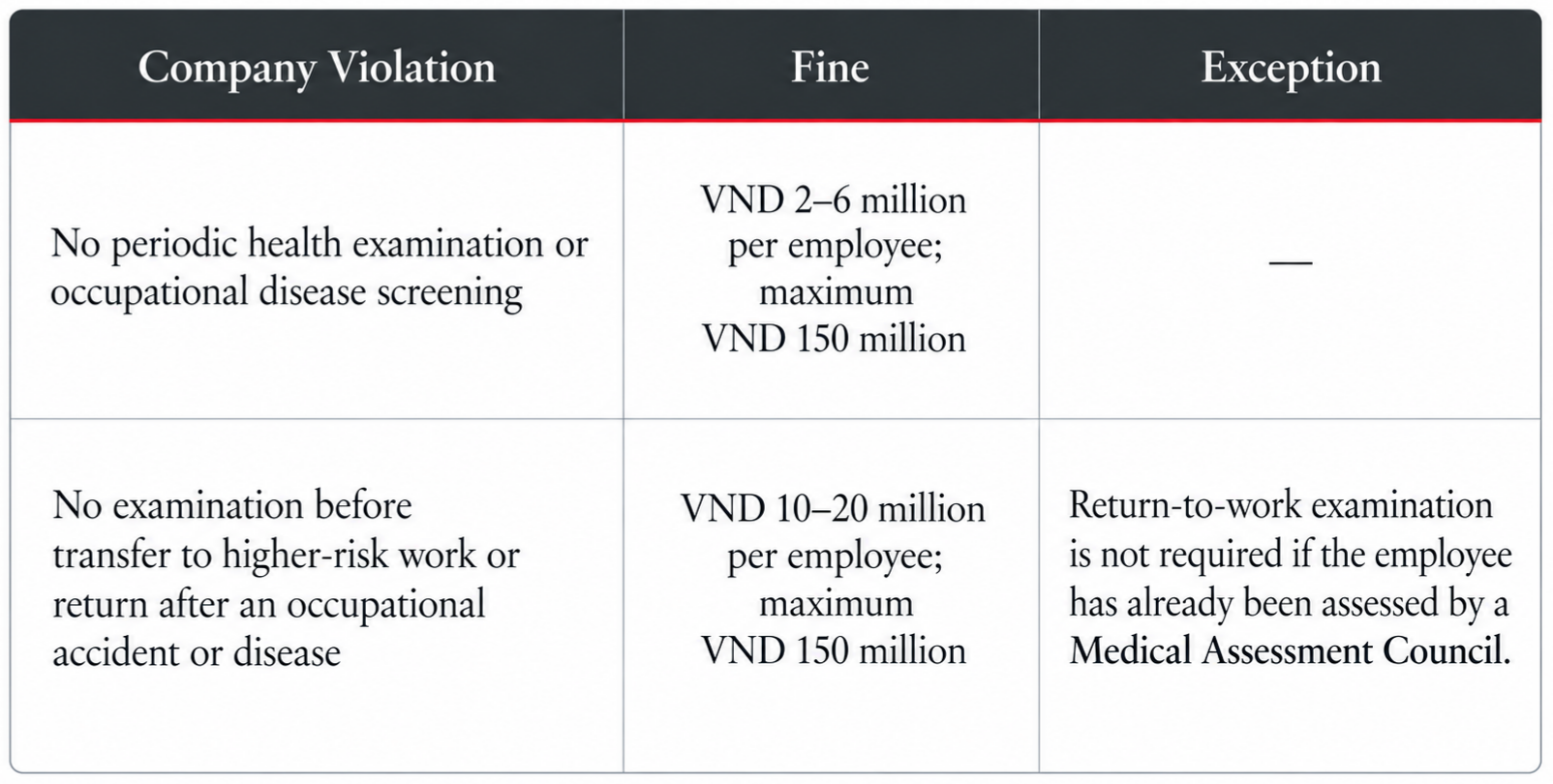
Table 2: Health Examination Requirements and Applicable Fines
Businesses should review whether the appropriate employees have been identified, whether the correct examination timing has been applied, whether all relevant examination items have been completed, and whether appropriate supporting records and documents have been maintained.
Key Takeaway: Businesses should confirm that the employees subject to the requirements, the applicable examination timing, and the required examination items have been properly identified and supported by sufficient records.
PCA Note
Employee health examinations illustrate a broader management issue: workforce compliance should be designed as part of the company’s operating strategy, rather than addressed only when an annual medical check-up becomes due.
From PCA’s perspective, the appropriate framework should connect workforce structure, job design, occupational exposure and regulatory requirements so that management has a clear basis for determining which obligations apply across different employee groups.
As a business develops, changes in headcount, employee responsibilities, working conditions or operational activities may also change the company’s occupational health risk profile. A well-structured approach therefore helps management maintain consistency, anticipate compliance requirements and integrate employee health obligations into broader HR and governance planning.
For further information and strategic advice on structuring an employee health and occupational compliance framework in Vietnam, businesses may contact the PCA Team to discuss their workforce model, operating conditions and compliance priorities.
Email: info@pca-cs.com
Hotline: +84 (0) 90909 0415 | +84 (0) 909091141
Author: Head of HR & Payroll, Mrs. Trương T. N. Hà
Tags: #PeriodicHealthExamination #OccupationalHealth #OccupationalSafety #LabourCompliance #VietnamEmployment #VietnamLabourLaw #EmployerCompliance #WorkplaceHealth #Decree2832026 #VietnamBusiness